Norwich's Pantiles and Period Homes: Caring for a City-of-Churches Roof
Roof cleaning Norwich homeowners trust has to start from a simple fact: this is one of the most complete historic townscapes in England, and a lot of it is still wearing its original roof covering. Walk the lanes around Elm Hill or up towards Tombland and you are surrounded by houses, churches and cottages built when Norwich grew rich on wool and weaving, many of them topped with curved clay pantiles that have barely changed shape in three centuries. Looking after a roof like that is not the same job as looking after a modern estate roof on the edge of the ring road, and this guide sets out what makes Norwich's roofing stock distinctive, why it needs a gentler touch, and what sensible cleaning and maintenance looks like across the city, from the pantiled terraces near the cathedral to the newer streets out towards Costessey and Eaton.
The quick answer: Norwich's older housing, much of it topped with traditional Norfolk pantiles or handmade clay tiles, needs cleaning methods matched to the age and fragility of the roof covering. Soft washing, careful manual moss removal and regular gutter clearing protect these roofs far better than pressure washing, which can crack old tiles or strip away the surface that keeps them weatherproof.
1. A City Built on Wool, Flint and Faith
Norwich's wealth in the medieval and early modern period came from the wool and worsted trade, and that money paid for an extraordinary number of parish churches within the old city walls. Historic England and local heritage groups put the surviving total at around thirty medieval churches, a concentration rarely matched anywhere else in the country, which is why Norwich is still known as the city of churches. Many of those churches, and plenty of the houses around them, used local flint as a building material, knapped and set into walls that are still doing their job hundreds of years later.
That same era of building left Norwich with housing stock that ranges from timber framed medieval cottages to elegant Georgian townhouses and dense Victorian terraces, packed into streets that still follow a genuinely medieval plan in the centre. Roofs from these periods were finished differently, but pantiles turn up again and again because they were the practical, affordable choice for East Anglian builders for generations.
2. Why Pantiles Became the Signature Norwich Roof
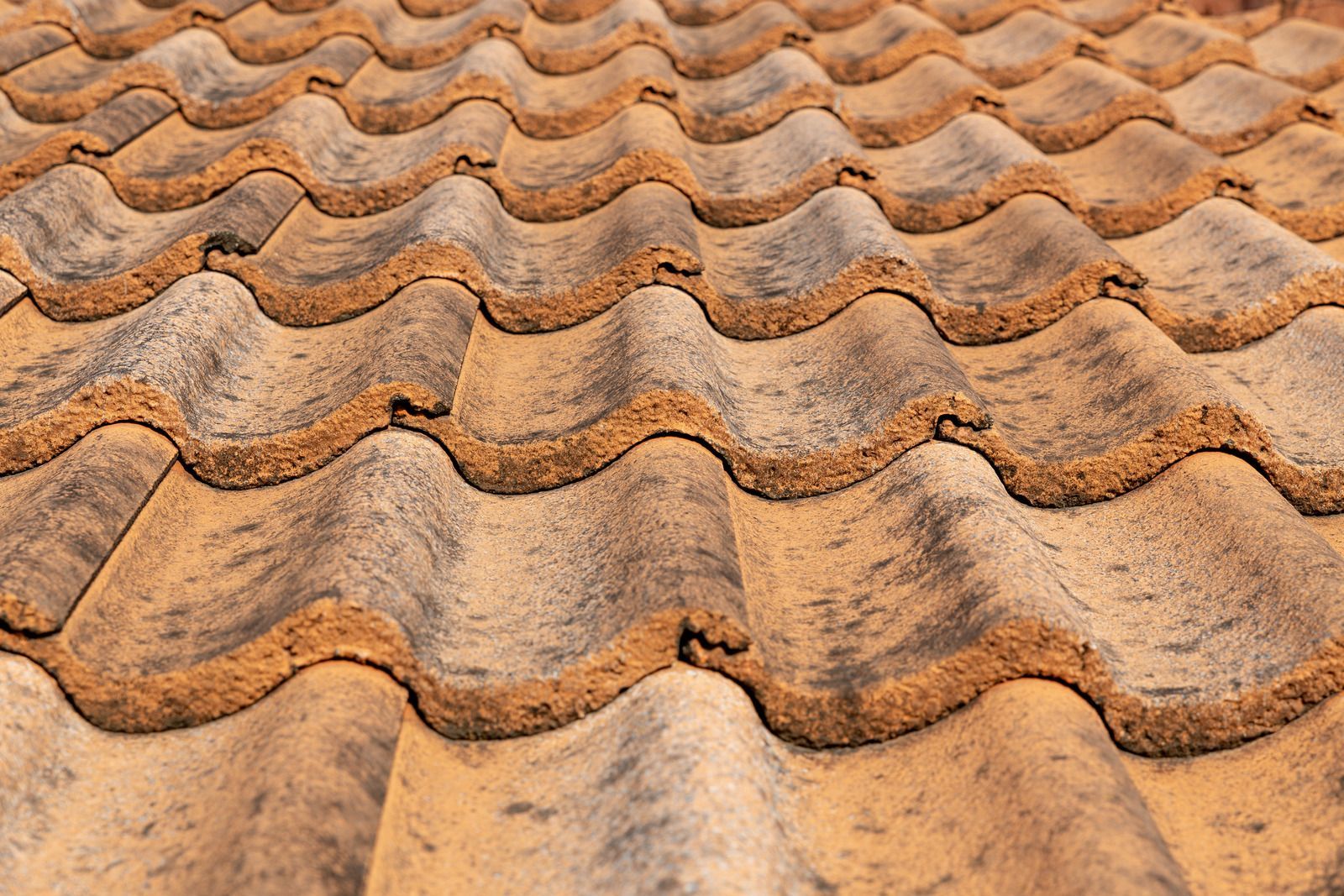
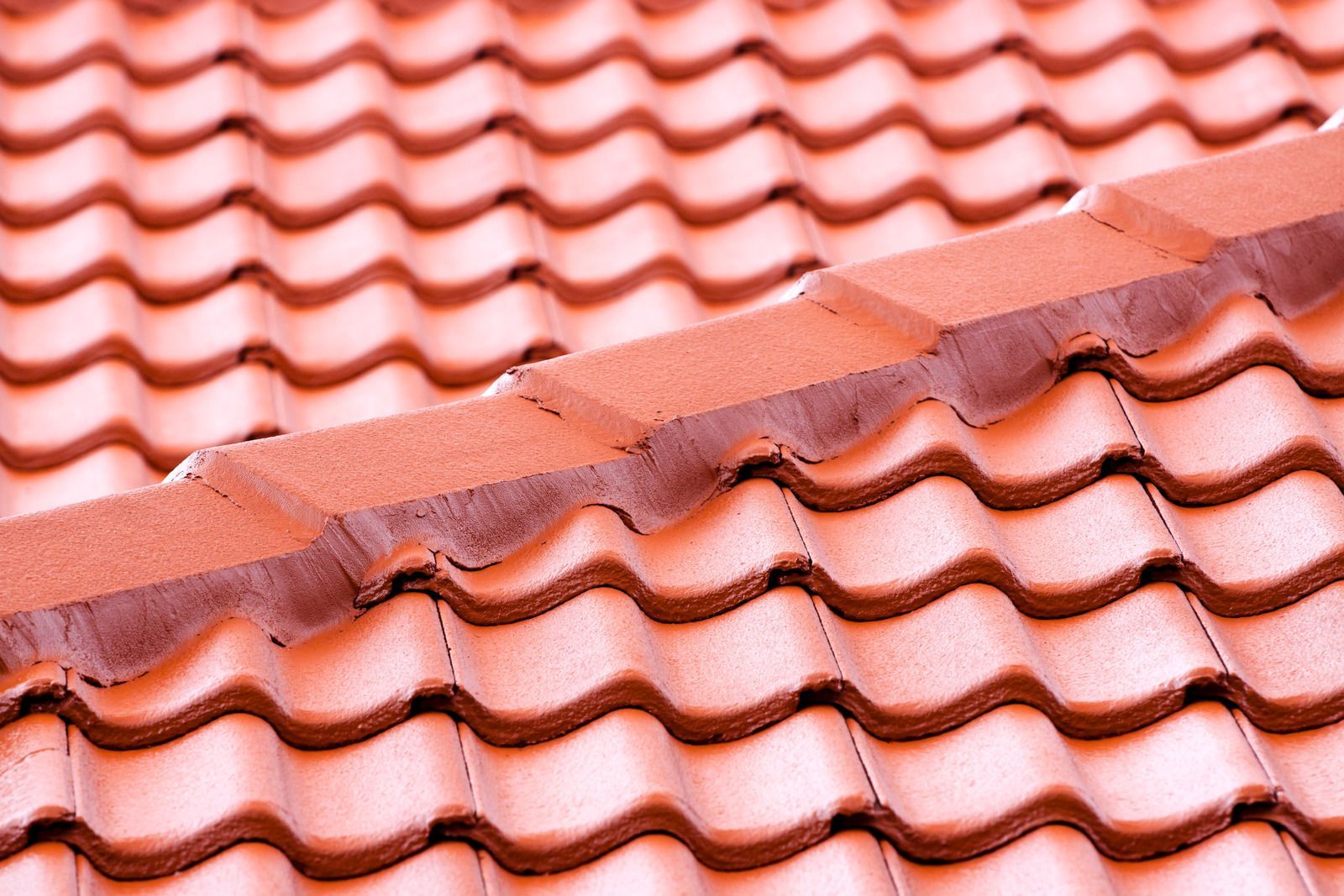
The Norfolk pantile has a distinctive S-shaped curve, often finished in a dark glaze, and it sits differently on a roof than a flat slate or a modern interlocking concrete tile. The overlapping curves create a rippled profile that is instantly recognisable across Norwich and the wider county, part of what gives the city's rooftops their character when viewed from the Castle mound or the cathedral spire.
Pantiles were popular because they are lighter than many alternatives and can cover a roof with fewer tiles per square metre, which mattered when materials had to move by cart and river barge along the Wensum. The trade-off is that older pantiles, particularly handmade ones on genuinely historic buildings, are more brittle than modern manufactured tiles and were never designed to take the weight of a person walking on them, let alone a pressure washer lance jabbed into every joint.
3. What Roof Cleaning Norwich Properties Actually Need
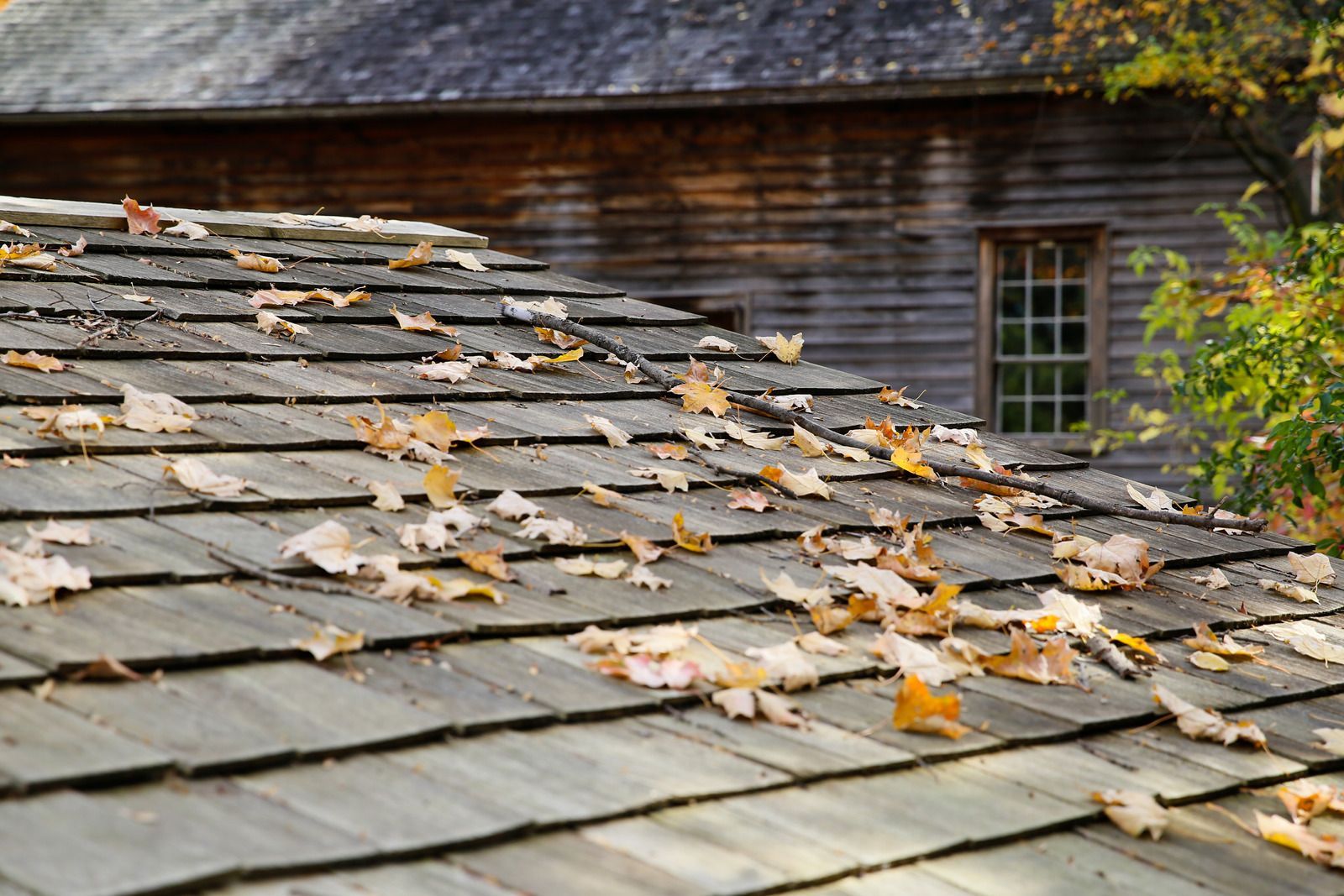
The biggest threat to an old pantile or clay tile roof is not moss and algae themselves, it is the wrong removal method. High pressure jet washing can force water up under overlapping tiles, crack brittle clay, and blast away the fine surface that has protected the tile for decades. Scraping moss off with a spade or wire brush can lift a tile edge or snap a corner that has gone slightly soft with age.
Left alone, moss and algae do their own quiet damage over years. Moss holds water against the tile surface, which is a particular problem during a Norfolk winter when trapped moisture can freeze and expand in the tile's pores, and a thick moss cushion can lift a tile just enough to let wind-driven rain find a way in underneath. For a deeper look at how that biology actually works, our guide to moss, algae and lichen on Norwich roofs covers why different growths need different treatment.
The sensible middle path is a soft wash, low pressure water combined with an appropriate cleaning solution, followed by gentle manual clearing of stubborn moss clumps and a thorough gutter clean so anything dislodged does not simply block the downpipes instead.
4. Reading a Roof Before You Touch It
Every period property in Norwich has its own history of repairs, patch jobs and tile replacements, and a sensible cleaning job starts with a walk around the building and, where safe, a close look at the roof itself. Cracked tiles, slipped tiles, and mortar failing at a ridge or valley all change how a clean should be approached, and some areas may be best left for a roofer to address before any washing begins.
This kind of check matters more on a two hundred year old terrace near the cathedral quarter than on a roof built last year, simply because the older roof has had more time to accumulate small weaknesses that are easy to miss from ground level.
5. Gutters on Norwich's Older Homes
Many historic Norwich properties have narrower, older-style guttering than modern homes, and it clogs more easily. Moss and lichen that wash or blow off a pantile roof tend to collect at the low points of the gutter run, and on a home backing onto a churchyard or a row of mature trees, leaf litter adds to the problem through autumn.
A gutter that is quietly overflowing during heavy rain is a common cause of damp patches appearing on walls just below the roofline, and on older solid brick or flint walls that damp can take a long time to dry out again. It is one of the reasons a full service always pairs gutter cleaning with the roof itself rather than treating them separately.
6. The Golden Triangle, Thorpe Hamlet and Other Shaded Streets
Norwich's dense historic core, and the Victorian suburbs that grew up around it, create plenty of shaded, sheltered roof slopes that dry out slowly after rain. The Golden Triangle, the wedge of Victorian terraces around Unthank Road in the NR2 postcode built mostly between the 1840s and the early 1900s, is a good example, narrow streets and tall neighbouring roofs mean some slopes barely see direct sun through a Norfolk winter. Thorpe Hamlet, the suburb east of the city centre that grew up on the slope above the River Wensum, has its own mix of Victorian and Edwardian roofs facing similar conditions.
North-facing pitches, and roofs tucked behind taller neighbouring buildings, are usually first to show green moss and dark algae streaking, simply because they get less direct sun between showers. Our article on black streaks on Norwich roofs goes into more detail on why these shaded slopes are usually the first to show algae.
7. Costessey, Eaton and the Newer Suburbs Around the City
Not every Norwich roof is centuries old. Places like Costessey, around four miles northwest of the city centre in the valleys of the Wensum and the Tud, and Eaton towards the southwest, mix older cottages with plenty of twentieth century housing under concrete and clay interlocking tiles. These roofs do not need the same caution as a handmade pantile, but they are not immune to the same damp, tree-lined conditions that feed moss across the wider Norwich area, and a soft wash still protects the tile coating better than pressure washing on any age of roof.
8. A Sensible Maintenance Rhythm for a Period Roof
Rather than waiting until moss is thick and gutters are blocked, older Norwich properties do best with a steady rhythm of light checks and cleans. A yearly or twice yearly inspection catches small issues before they become expensive ones, and a proper soft wash every few years, timed around the roof's condition rather than a fixed date, keeps tiles clear without over cleaning a surface that does not need it every season.
Consistency matters more than intensity. A gentle, regular routine protects a historic roof far better than one aggressive clean carried out once problems are already visible from the street, and it also helps protect the kerb appeal that matters so much when a period home in an NR postcode eventually goes up for sale.
- Soft washing, not pressure washing: low pressure methods protect brittle historic pantiles and clay tiles from cracking.
- Check before you clean: a visual inspection catches loose or damaged tiles before washing begins.
- Gutters need equal attention: narrow, older-style guttering blocks faster and should be cleared alongside the roof.
- Shaded streets need more care: roofs in the Golden Triangle, Thorpe Hamlet and similar tight streets hold moisture and moss longer.
- Little and often wins: steady, gentle maintenance beats an aggressive clean carried out once damage is visible.
Frequently Asked Questions
Is it safe to pressure wash a pantile roof in Norwich?
Treat pressure washing with caution on older pantiles. Ask for a soft wash approach instead, since it clears moss and algae without the risk of cracking brittle or handmade tiles.
How do I know if my roof is old enough to need special care?
Look at the age of the property rather than the roof alone. If your home dates from the Georgian, Victorian or earlier period, assume the tiles need gentler handling and ask whoever cleans your roof how they plan to work.
Why does moss keep coming back on my roof every year?
Check for shade and nearby trees. Roofs in narrow streets or close to churchyard trees dry out more slowly, which gives moss spores a better chance to settle again after cleaning.
Do I need to clean my gutters at the same time as my roof?
Yes, arrange both together where possible. Debris dislodged during a roof clean often ends up in the gutters, and clearing them at the same time stops a blockage forming straight afterwards.
How much does professional roof cleaning cost in the UK?
Prices vary across the UK depending on roof size, pitch, access and how much moss or staining has built up, so it is worth getting a proper look at the roof before comparing quotes rather than relying on a flat national figure.
How often should a period roof in Norwich be cleaned?
Base it on an inspection rather than a strict schedule. Many period roofs in the city do well with a check once or twice a year and a full clean every few years, depending on how shaded and exposed the roof is.
Looking after a historic Norwich roof?
Ben's Roof Cleaning works across Norwich and Norfolk with over 15 years of experience caring for the roofs that make this city what it is, from pantiled terraces to flint-walled cottages. Get in touch or call 0160 333 7383
for a free, no-obligation quote.
Norwich's Rooftops Are Part of Its History, and They Deserve to Be Treated That Way
A pantile roof above a Norwich terrace has usually already survived a couple of centuries of Norfolk weather by the time anyone thinks to clean it, and the way that clean is carried out has a real say in whether it survives a few more. Choosing gentler methods, checking the roof before touching it, and keeping gutters clear alongside the tiles is not an expensive extra, it is simply the right way to look after a roof that is older than almost everyone who will ever walk beneath it.