Moss, Algae and Lichen: The Biology Behind a Green Norwich Roof
Moss removal Norwich homeowners eventually need almost always starts with the same question: what exactly is growing on the roof, and does it matter which type it is? A roof that has turned green over a few years is rarely covered by just one organism. Moss, algae and lichen are three biologically distinct growths that behave differently, spread differently, and respond differently to cleaning, yet they are usually lumped together as simply green mess to hose off. This guide breaks down what each one actually is, why Norwich's climate suits all three so well, and why understanding the difference leads to a better cleaning outcome.
The quick answer: Moss, algae and lichen are separate organisms with different growth habits, and a Norwich roof often hosts more than one at once thanks to the city's damp, shaded conditions. Effective moss removal and roof cleaning treats each according to its biology, using a soft wash approach that clears growth without damaging the tile underneath.
1. Moss: The Cushion That Holds Water Against the Tile
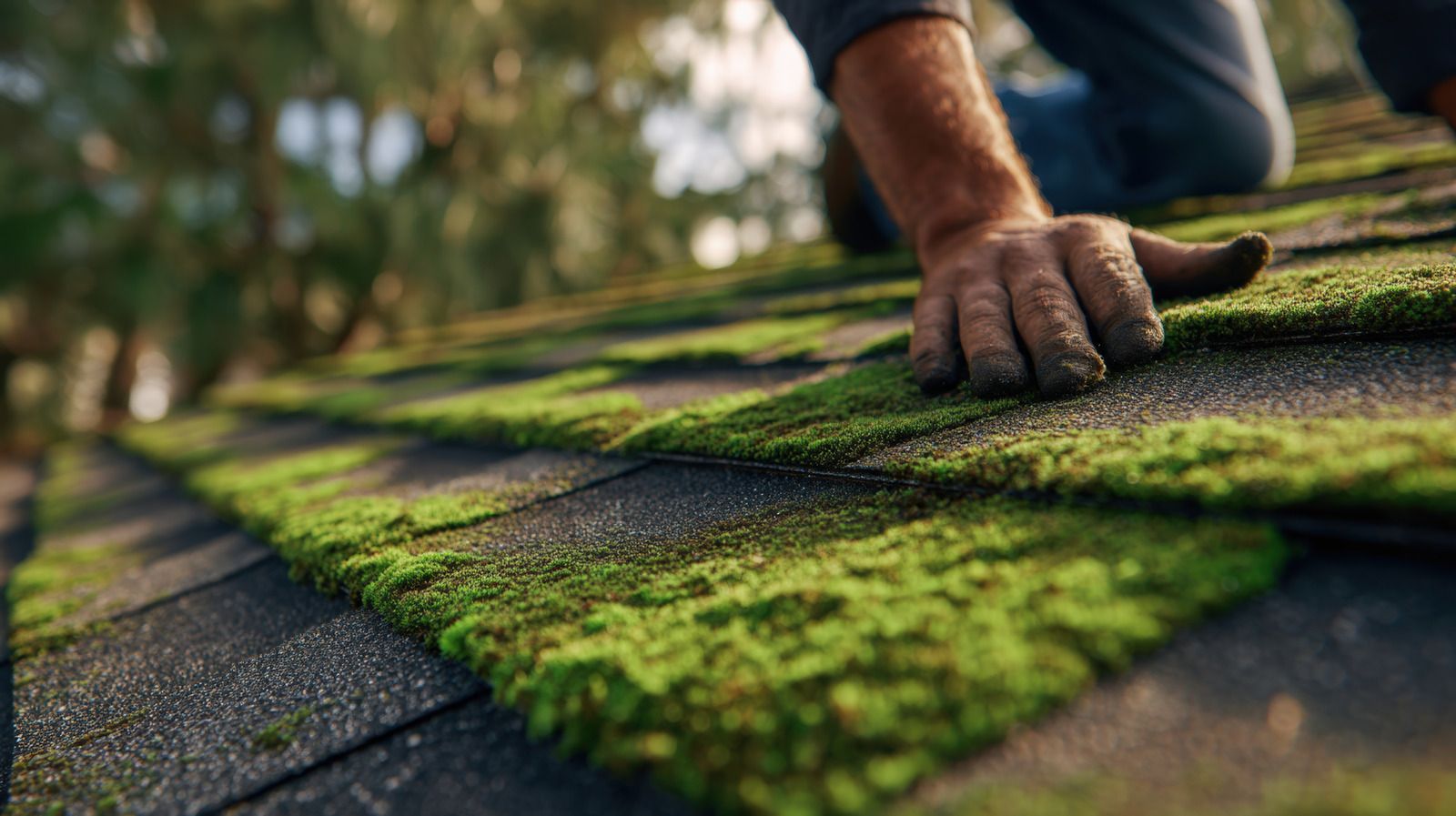
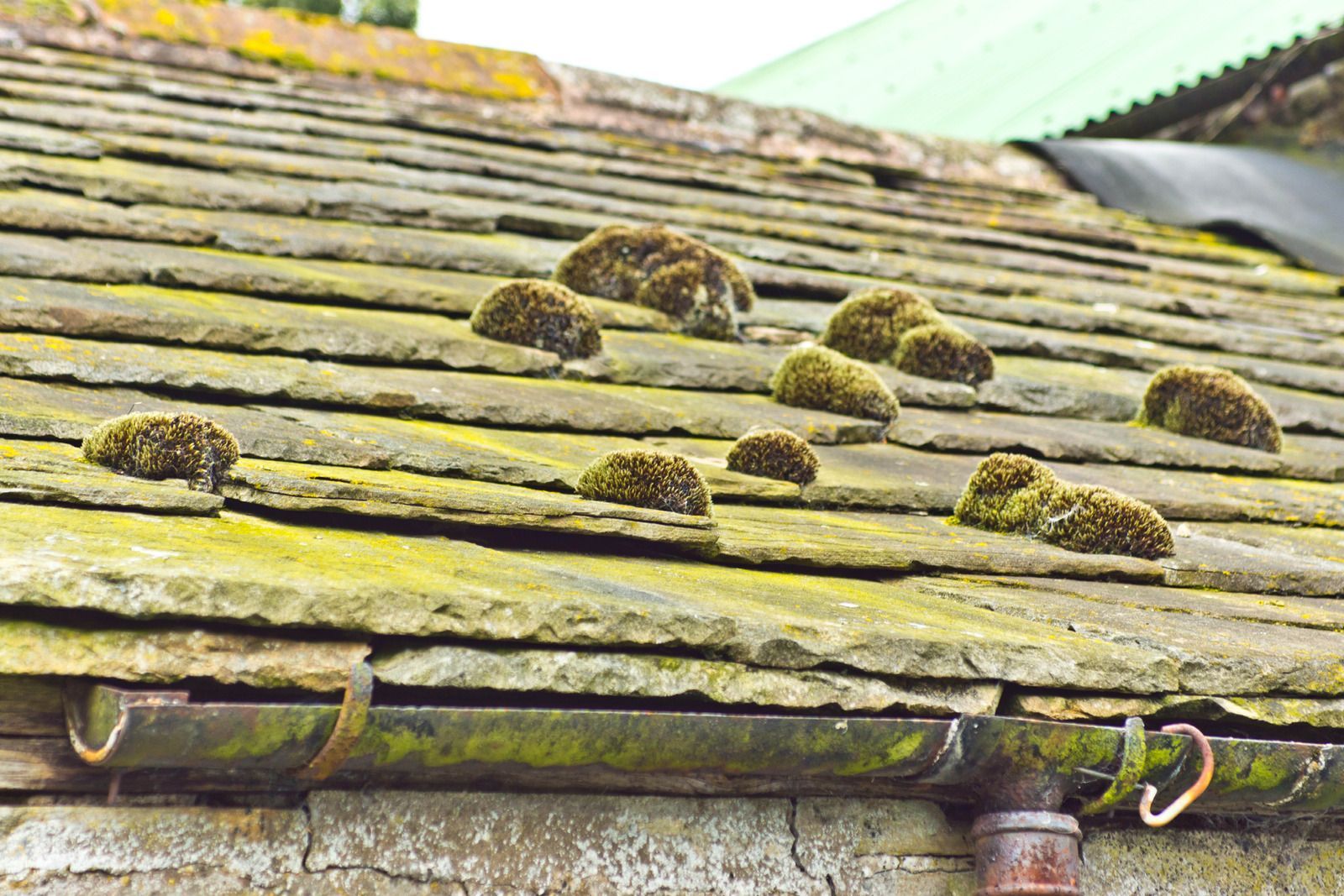
Moss is a simple, rootless plant that anchors itself to a surface using fine rhizoids rather than true roots, absorbing water and nutrients directly through its structure. On a roof, it favours flatter areas, valleys, ridge lines and the gaps between overlapping tiles, where it can build up into a raised, spongy cushion over several seasons.
That cushion is the real problem. Moss holds moisture against the tile for far longer than the tile would otherwise stay wet, and during a cold snap that trapped water can freeze and expand, gradually working tiles loose or cracking them at the edges. A moss-covered roof is not just untidy, it is actively holding onto the one thing that damages a roof covering over time.
2. Algae: The Cause of Norwich's Black Streaking
Algae is a different organism entirely, and on UK roofs it is usually the type responsible for the dark, sooty looking streaks that run down a slope from ridge to gutter. It spreads through airborne spores and can travel easily between neighbouring roofs on the same street, which is why streaking often appears on several properties in a similar area around the same time. Our article on black streaks on Norwich roofs goes into more detail on how this particular growth behaves and why it needs a specific cleaning approach.
3. Lichen: The Slow, Stubborn Crust
Lichen is stranger still, a partnership between a fungus and an algae living together, forming flat, crusty patches that can appear grey, yellow, white or a pale orange depending on the species. Unlike moss, lichen bonds tightly to the tile surface and grows extremely slowly, sometimes taking years to spread across a noticeable area.
Because it grows so slowly and clings so firmly, lichen is often the hardest of the three to remove without specialist care, and heavy-handed scraping can pull away part of the tile's surface along with it. A patient, chemical soft wash approach tends to work far better than physical force.
Lichen is also often the best indicator of a roof slope that has gone a long time without attention, since its slow growth rate means a heavy lichen patch usually points to years rather than months of undisturbed conditions. Spotting it early, before it spreads across a wide area, makes eventual removal considerably more straightforward.
4. Why Norwich Grows All Three So Well
Few UK cities offer such favourable conditions for all three organisms at once. Norwich sits low in the valleys of the Wensum and Yare rivers, which keeps the air damp for longer after rain, and the city's climate delivers frequent light rainfall across roughly 120 days a year rather than a smaller number of heavy downpours. Our guide to why the Wensum and Yare valleys keep Norwich roofs damp explains this climate pattern in more depth.
Add to that a historic city core with narrow streets, tall neighbouring buildings and mature trees around churchyards and river paths, and there is no shortage of shaded, sheltered roof slopes where moss, algae and lichen can all take hold within a few years of a roof being left unattended.
5. How Moss Removal Norwich Roofs Need Handles Mixed Growth
A roof that has all three growths at once is not unusual, and a proper cleaning approach needs to account for that rather than applying one blanket method regardless of what is actually on the tile. Moss removal typically involves gentle manual clearing of the visible cushion after a soft wash solution has loosened its grip, while algae responds to a solution designed to break down its structure at a cellular level, and lichen often needs a longer dwell time to weaken its bond with the tile before it can be safely lifted.
6. Why Pressure Washing Fails All Three
High pressure jet washing might strip away visible moss, algae and lichen in a single pass, but it does so at a cost. It can force water beneath overlapping tiles, crack brittle or older tiles, and blast away the surface texture that gives a tile its grip and weatherproofing, all while leaving root structures and spores behind to regrow. What looks like a fast fix often turns into a more expensive repair job within a year or two.
There is also a visible difference in the aftermath. A pressure washed roof often looks patchy rather than genuinely clean, since the blast pattern removes growth unevenly and can leave lighter and darker patches where the tile's protective surface has been stripped away in some spots but not others. A soft wash tends to leave a far more even, natural looking finish precisely because it works with a cleaning solution rather than brute force.
7. What a Green Roof Actually Means for Kerb Appeal
Beyond the biology, a visibly green or streaked roof affects how a property is perceived from the street, which matters whether a home is simply being lived in or is about to go on the market. Our article on how a clean roof helps sell an NR postcode home looks at why buyers and surveyors take particular notice of roof condition during a sale.
8. A Cleaning Plan Built Around What Is Actually Growing
The most effective approach starts with identifying what is actually present on a roof rather than assuming it is all one thing. A soft wash treatment tailored to the specific mix of moss, algae and lichen clears growth without the damage risked by pressure washing or scraping, and a sensible follow-up routine, checking gutters and shaded slopes every year or so, keeps regrowth from building up unnoticed again.
- Moss holds water: its cushion-like structure traps moisture against the tile and can cause frost damage.
- Algae causes streaking: it spreads through airborne spores and often affects several nearby roofs together.
- Lichen bonds tightly: its slow growth and firm grip make it the hardest of the three to remove safely.
- Shade and damp favour all three: Norwich's river valleys and tight historic streets create ideal growing conditions.
- Soft washing suits mixed growth: a tailored solution clears all three without the risks of pressure washing.
Frequently Asked Questions
How can I tell if it's moss, algae or lichen on my roof?
Look at the texture. Moss forms a raised, cushion-like mat, algae shows as flat dark streaks running down the slope, and lichen forms flat, crusty patches in grey, yellow or orange.
Can one roof have all three growths at the same time?
Yes, this is common in Norwich given the damp, shaded conditions found across much of the city, particularly on older or heavily shaded properties.
Is lichen actually harmful to my roof?
Not usually in the short term, but its firm grip can make removal harder over time, so treating it before it spreads extensively makes the job easier.
Does moss removal alone deal with algae streaking too?
Not necessarily. Algae and moss respond to different cleaning approaches, so a proper soft wash service should address both rather than treating only the more visible moss.
What does professional moss removal typically cost in the UK?
Costs vary with roof size, pitch, access and how established the growth has become, so most reputable companies will inspect the roof before quoting rather than giving a flat national price.
Will a one-off clean stop moss, algae and lichen coming back?
Not permanently. Spores and moisture are always present in Norwich's climate, so a periodic check and light clean is the realistic way to keep growth from building up again.
Not sure what's actually growing on your roof?
Ben's Roof Cleaning works across Norwich and Norfolk with over 15 years of experience identifying and safely treating moss, algae and lichen. Get in touch or call 0160 333 7383
for a free, no-obligation quote.
A Green Roof Is Three Different Problems Wearing One Colour
Treating every green or streaked roof the same way misses the point that moss, algae and lichen are entirely different organisms with different weaknesses. Understanding which is actually present, and why Norwich's rivers, streets and shade give all three such a good home, is what separates a cleaning job that lasts from one that needs repeating within a year. A tailored soft wash, matched to the biology rather than just the appearance, is what keeps a Norwich roof genuinely clean rather than just temporarily tidy.