Chimney Stacks and Flashing on Norwich's Older Roofs: Debris and Leaks
Walk through Thorpe Hamlet, the Golden Triangle or any of Norwich's older residential streets and one of the first things you notice is how many chimney stacks are still standing, long after most of them stopped drawing smoke from an open fire. Careful moss removal Norwich specialists carry out around chimney bases and flashing junctions is some of the most important, and most overlooked, work on an older roof. These stacks are part of the skyline of a city that Historic England and Norwich City Council both recognise for its exceptional concentration of historic buildings, sitting alongside the medieval church towers that give Norwich its old nickname as a city of churches. This guide explains why chimney stacks collect so much debris, how flashing fails, and what Norwich homeowners with period roofs should be watching for.
The quick answer: chimney stacks trap leaves, moss and standing water against their base and flashing more than almost any other part of the roof, and on Norwich's older housing stock this is one of the most common sources of slow, hard-to-trace leaks if left unchecked.
1. Why Chimney Stacks Collect More Debris Than the Rest of the Roof
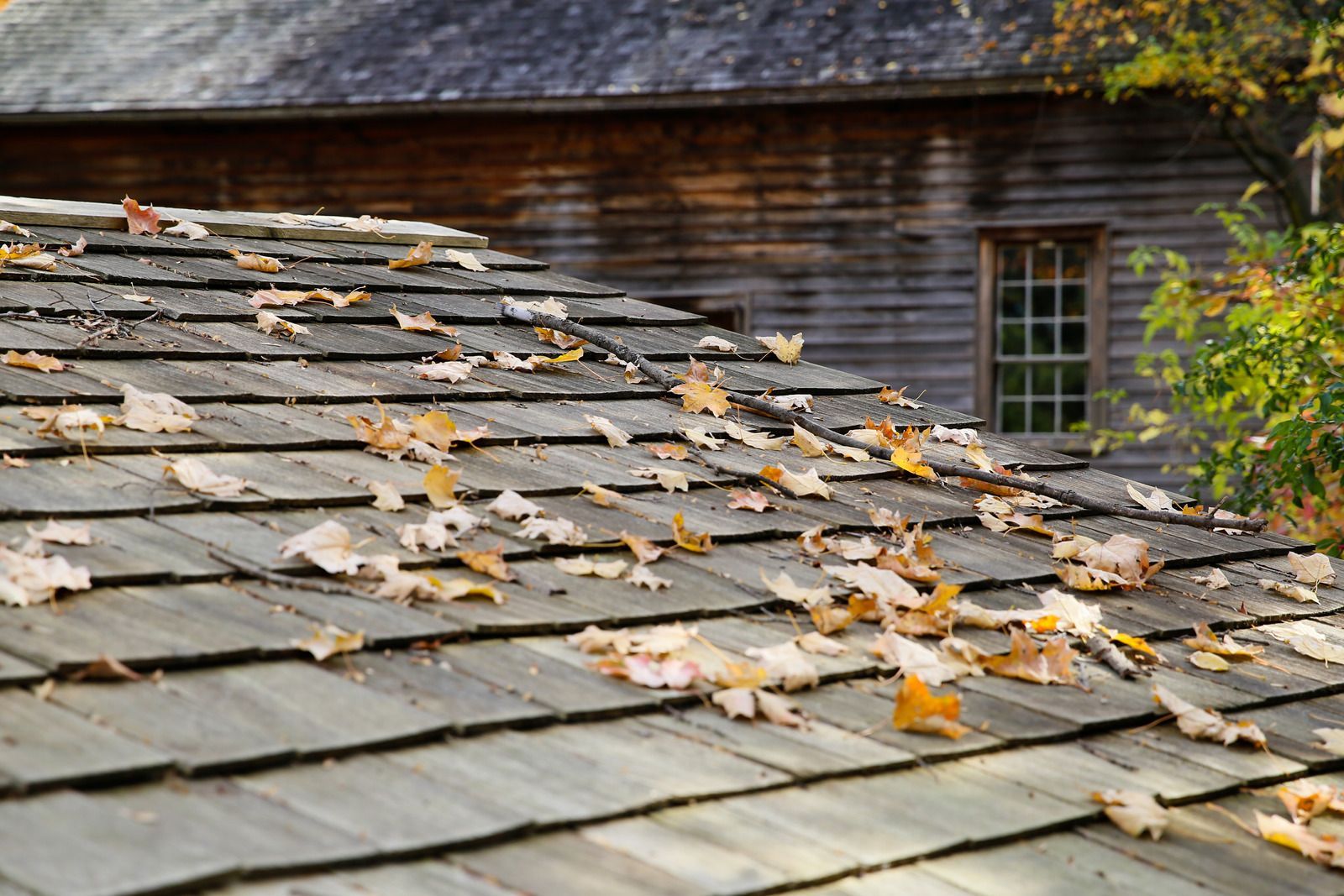
A chimney stack interrupts the smooth run of a roof slope, and every interruption creates somewhere for water and debris to collect rather than flow away. The upslope side of a stack, where rainwater and leaves hit the brickwork and are forced sideways, is particularly prone to build-up. On Norwich's older terraces, where stacks are often tall and set close to the ridge, this upslope junction can hold a surprising amount of moss, grit and leaf litter that is completely invisible from the ground, even on a roof that otherwise looks clean.
2. What Flashing Actually Does and Why It Fails
Flashing is the strip of material, traditionally lead on older Norwich properties, that seals the junction between a chimney stack and the surrounding roof tiles. It is designed to flex slightly with the building and shed water outward rather than let it track down into the roof structure. Flashing fails gradually rather than suddenly, usually because debris trapped against it holds moisture for long enough to work at the seal, or because the lead itself has thinned and cracked with age. Once a small gap opens, it rarely announces itself immediately. Water tends to travel some distance from the actual point of entry before it shows up as a stain on a ceiling, which is why chimney-related leaks are often blamed on the wrong part of the roof at first.
3. Moss Removal Norwich Chimneys Need Most: Clearing the Base Safely
Moss growing at the base of a chimney stack does more than look untidy. It holds water directly against the flashing and the mortar fillet, called the haunching, that seals the joint between stack and roof. Over a Norfolk winter of repeated wetting, drying and occasional frost, that sustained dampness accelerates wear on both the flashing and the surrounding mortar. Careful moss removal around this junction, done without disturbing the flashing itself, is one of the more delicate jobs in roof cleaning and is best left to someone who understands how these older joints are put together. Our wider look at how moss establishes itself on Norwich roofs is in the biology behind a green Norwich roof.
4. Norwich's Historic Building Stock and Chimney Age
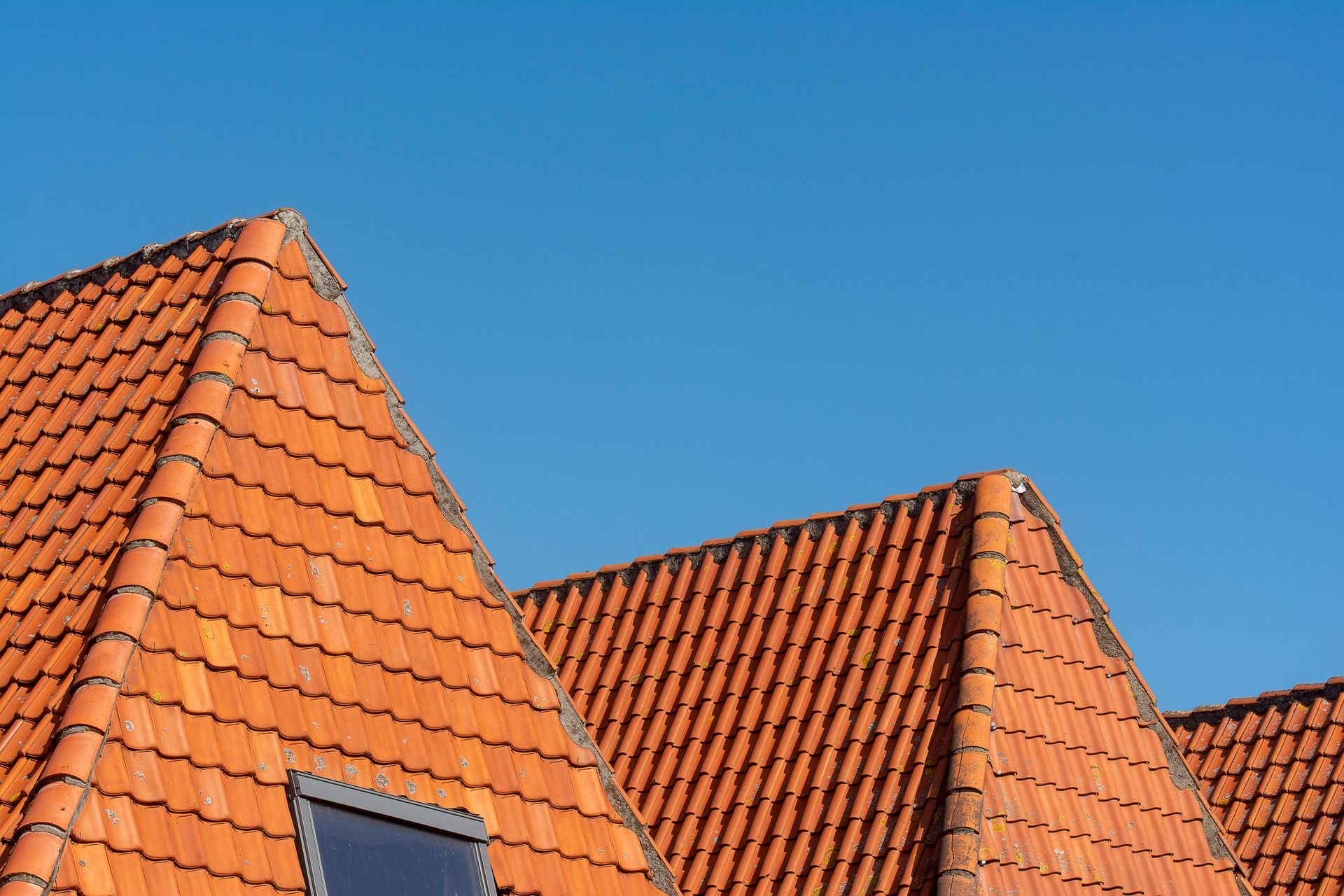
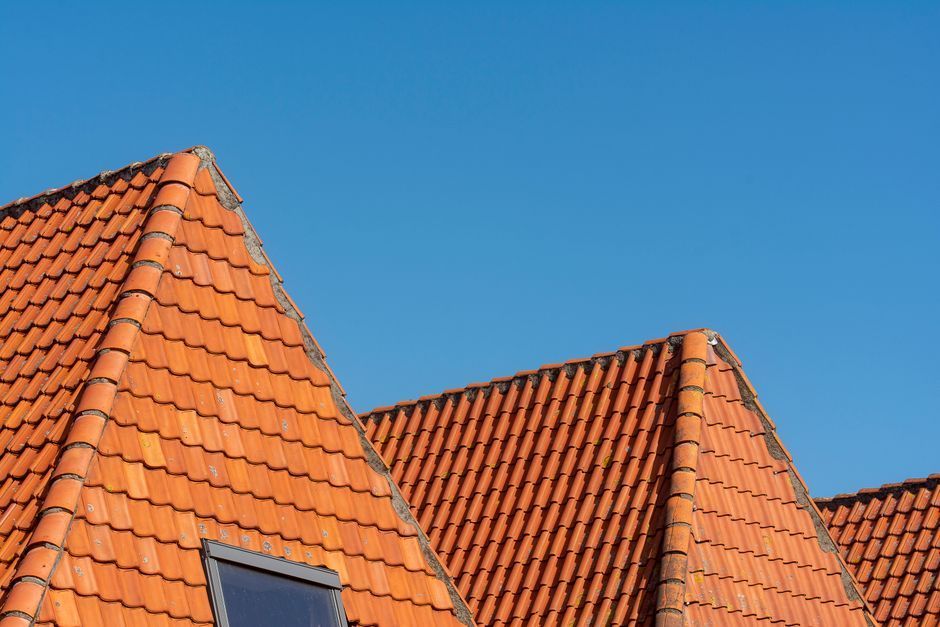
Norwich has one of the highest concentrations of surviving medieval buildings of any English city, and its residential streets carry a similarly long architectural history, with many Victorian and Edwardian terraces still standing across areas Norwich City Council has designated as conservation areas. Chimney stacks on these properties are frequently original or close to it, built in an era before modern flashing materials and often repaired piecemeal over the decades since. That age is not automatically a problem, well-maintained Victorian brickwork can easily outlast modern equivalents, but it does mean these stacks need more careful, regular attention than a stack built in the last twenty years. Our article on Norwich's pantiles and period homes looks at this older housing stock in more detail.
5. Redundant Stacks Are Not Maintenance-Free
A significant number of chimney stacks across Norwich no longer serve an active fireplace, having been capped off or left with a simple pot on top once central heating replaced open fires. It is a common assumption that a redundant stack needs no further care, but the masonry, flashing and surrounding roof junction still face exactly the same weather as an active chimney. Debris still collects, flashing still ages, and water still needs somewhere to go. Treating a capped stack as maintenance-free is one of the more common oversights on older Norwich roofs.
6. How Debris Around a Chimney Leads to a Leak
The path from a small amount of trapped debris to an actual leak usually follows a predictable pattern. Leaves and moss build up against the upslope side of the stack, holding water against the flashing for longer than intended. The flashing, already gradually aging, develops a small gap where the debris has kept it wet. Water finds that gap during heavy rain and tracks down inside the roof structure, often travelling along a rafter or batten before it becomes visible as a stain on a bedroom ceiling, sometimes well away from the chimney breast itself. By the time the stain appears, the underlying problem may have existed for a considerable time.
7. Signs a Chimney Stack Needs Attention
A handful of warning signs are worth checking for, ideally from a safe vantage point rather than by climbing onto the roof.
- Moss or plant growth visible around the base of the stack , which usually means water is sitting against the flashing for extended periods.
- Damp patches on a chimney breast or nearby ceiling , particularly ones that appear or worsen after heavy rain rather than being constant.
- Discoloured or crumbling mortar in the haunching around the base of the stack, a sign the seal has been compromised for some time.
- Debris visibly piled on the upslope side of the stack when viewed from an upstairs window or with binoculars from the garden.
- Flashing that looks lifted, cracked or discoloured compared with the surrounding tiles, often more visible after rain when the metal is wet.
8. Why Gentle Cleaning Matters More Around Chimneys
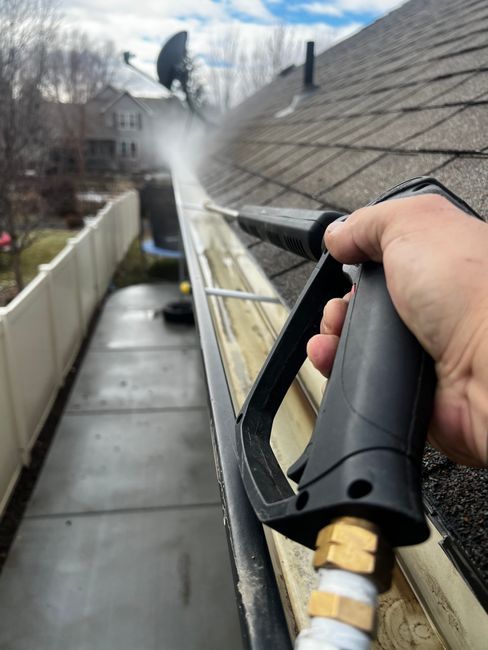
Aggressive cleaning methods, particularly pressure washing, are a poor fit for chimney junctions specifically because flashing and old mortar are easily disturbed by high-pressure water forced into small gaps. A gentler approach that clears debris by hand and with controlled, low-pressure water protects the integrity of the seal rather than risking pushing water further into it. This is one of the clearest examples of why the method used for roof cleaning matters as much as whether it happens at all, something we cover in more general terms in our article on black streaks on Norwich roofs.
9. Building Chimney Checks Into a Regular Roof Routine
The most practical approach for most Norwich homeowners is to fold a chimney and flashing check into whatever regular roof maintenance is already planned, rather than treating it as a separate task. A spring inspection is a natural point to look at debris build-up around any stack, and an autumn gutter clearance is a sensible moment to check that the same debris has not accumulated again over summer. On period properties, especially those within one of Norwich's conservation areas, this small addition to a routine roof check is one of the more cost-effective ways to protect a part of the building that is genuinely difficult and expensive to repair once it fails.
Frequently Asked Questions
Why do chimney stacks collect more moss than the rest of the roof?
They interrupt the smooth flow of water down the roof slope, creating a junction where leaves, grit and moisture collect on the upslope side rather than washing away.
How do I know if my chimney flashing has failed?
Common signs include damp patches on a chimney breast or nearby ceiling, especially after heavy rain, along with visibly lifted, cracked or discoloured flashing when viewed from a safe distance.
Does a chimney that is no longer used still need maintenance?
Yes. A capped or redundant stack still faces the same weather as an active one, and its masonry and flashing continue to age regardless of whether a fire is ever lit beneath it.
What does chimney and flashing maintenance typically cost in Norwich?
Costs depend on the height and condition of the stack, access requirements, and whether any repair work beyond cleaning is needed, so a specific quote after inspection is the most reliable guide.
Is pressure washing safe to use around a chimney stack?
It is generally best avoided. High-pressure water can disturb old mortar and force moisture into small gaps in the flashing, so a gentler, controlled method is safer for older brickwork and lead flashing.
How often should chimney stacks be checked on an older Norwich property?
Roughly twice a year works well for most period homes, once in spring and again in autumn, timed alongside general roof and gutter maintenance.
Concerned about moss or debris around your chimney stack?
Ben's Roof Cleaning has spent over 15 years keeping roofs, gutters and tiles clear across Norwich and Norfolk. Get in touch or call 0160 333 7383
for a free, no-obligation quote.
A Chimney Stack Is Only as Sound as the Flashing Around It
Norwich's older roofs carry a lot of history in their chimney stacks, but that history comes with a maintenance responsibility that is easy to overlook once an open fire stops being lit. Debris trapped against a stack, moss holding water at its base, and flashing quietly aging over decades are all preventable problems if they are checked regularly rather than left until a ceiling stain forces the issue. A small amount of attention twice a year protects a part of the roof that is genuinely difficult to put right once it fails.