How Often to Clean a Norwich Roof: A Year-Round Maintenance Calendar
Ask most Norwich homeowners when they last had their roof looked at and the honest answer is usually "I can't remember." Roofs sit quietly overhead, doing their job until moss builds up, gutters overflow, or a damp patch appears on a bedroom ceiling. Regular roof cleaning Norwich homeowners can rely on is not a once-and-done job. It is a rhythm that follows the seasons, because Norfolk's weather, Norwich's tree-lined streets, and the age of the city's housing stock all push moss and grime back onto tiles faster than in many other parts of the country. This guide sets out a practical, year-round calendar for keeping a Norwich roof in good order, from the first damp mornings of spring through to the frosts of a Norfolk winter.
The quick answer: most Norwich roofs benefit from a full clean every 12 to 24 months, with a lighter gutter check twice a year, though shaded roofs near mature trees in areas like the Golden Triangle or Eaton often need attention closer to the 12-month mark.
1. Why a Calendar Matters More in Norwich Than in Drier Parts of the UK
It would be easy to assume that Norfolk, often described as one of the drier counties in England, gives roofs an easy ride. In some respects that is true. Long-term Met Office averages put Norwich's annual rainfall at somewhere in the region of 600 to 650mm a year, noticeably lower than the UK average and a fraction of what falls in the Lake District or the Scottish Highlands. But low rainfall is only half the story. Norwich sits in the shallow valleys of the Wensum and Yare, and that riverside setting keeps humidity and morning dew lingering on roof slopes long after the sky has cleared. Moss does not need heavy rain to thrive, it needs consistent dampness, and Norwich's valley position supplies exactly that even in a relatively dry county.
That combination, frequent light dampness rather than dramatic downpours, is why a fixed calendar works better than waiting for an obvious problem. A roof can look fine from the pavement while moss is already establishing itself under ridge tiles or along a north-facing slope shaded by next door's chimney stack.
2. Spring: Assessing the Damage After a Norfolk Winter
Spring is the natural starting point for any roof maintenance calendar. Once the worst of the winter frosts have passed, usually by late March or April, it is worth walking the perimeter of the house to look up at the roofline. Look for tiles that have slipped slightly out of line, moss cushions that have thickened over winter, and gutters sagging under the weight of trapped leaves and silt. Norwich's older streets, particularly around Thorpe Hamlet and the terraces near the city centre, often have roofs pitched steeply enough that this kind of damage is hard to see without deliberately looking for it.
This is also the point in the year when a professional inspection pays for itself. Catching a small patch of moss in spring, before it has had a full summer and autumn to spread, is far easier and less disruptive than dealing with a heavily colonised roof eighteen months later.
3. Early Summer: The Best Window for Roof Cleaning Norwich Homes Need
For most Norwich properties, late spring through early summer is the ideal window for a full roof cleaning Norwich professionals would recommend. Days are longer, surfaces dry faster between showers, and there is a reasonable stretch of settled weather to work with. Cleaning at this point in the year also means the roof heads into the warmer months moss-free, which slows regrowth because moss spores struggle to establish on a clean, well-drained surface during drier weeks.
Homes with pantile roofs, common across the older parts of Norwich thanks to the city's long trading links with the Netherlands, benefit particularly from a careful early summer clean. Pantiles overlap in a way that traps organic debris in the curves of each tile, and a proper clean in dry conditions allows the roof to dry thoroughly afterwards rather than staying damp under a cloudy summer sky. Readers interested in the detail of how these historic tiles behave can find more in our piece on Norwich's pantiles and period homes.

4. Late Summer: Gutter Cleaning Before the Leaves Fall
By August, most Norwich gardens and tree-lined avenues are in full leaf, and it is worth getting ahead of autumn by checking gutters before they fill. A short gutter cleaning Norwich visit in late summer clears out the silt and early leaf litter that has built up since spring, so the system is ready to cope when the real leaf fall begins in October and November. Gutters that are already half full going into autumn overflow much sooner, and overflowing gutters are one of the most common causes of damp patches appearing on external walls in Norwich's older, solid-walled properties.
This is a smaller job than a full roof clean but it matters just as much. A blocked gutter does not just look untidy, it pushes water back under tiles and down the face of the wall, which over a wet Norfolk winter can lead to far more expensive repairs than the cost of keeping it clear.
5. Autumn: Watching the Golden Triangle's Tree Canopy
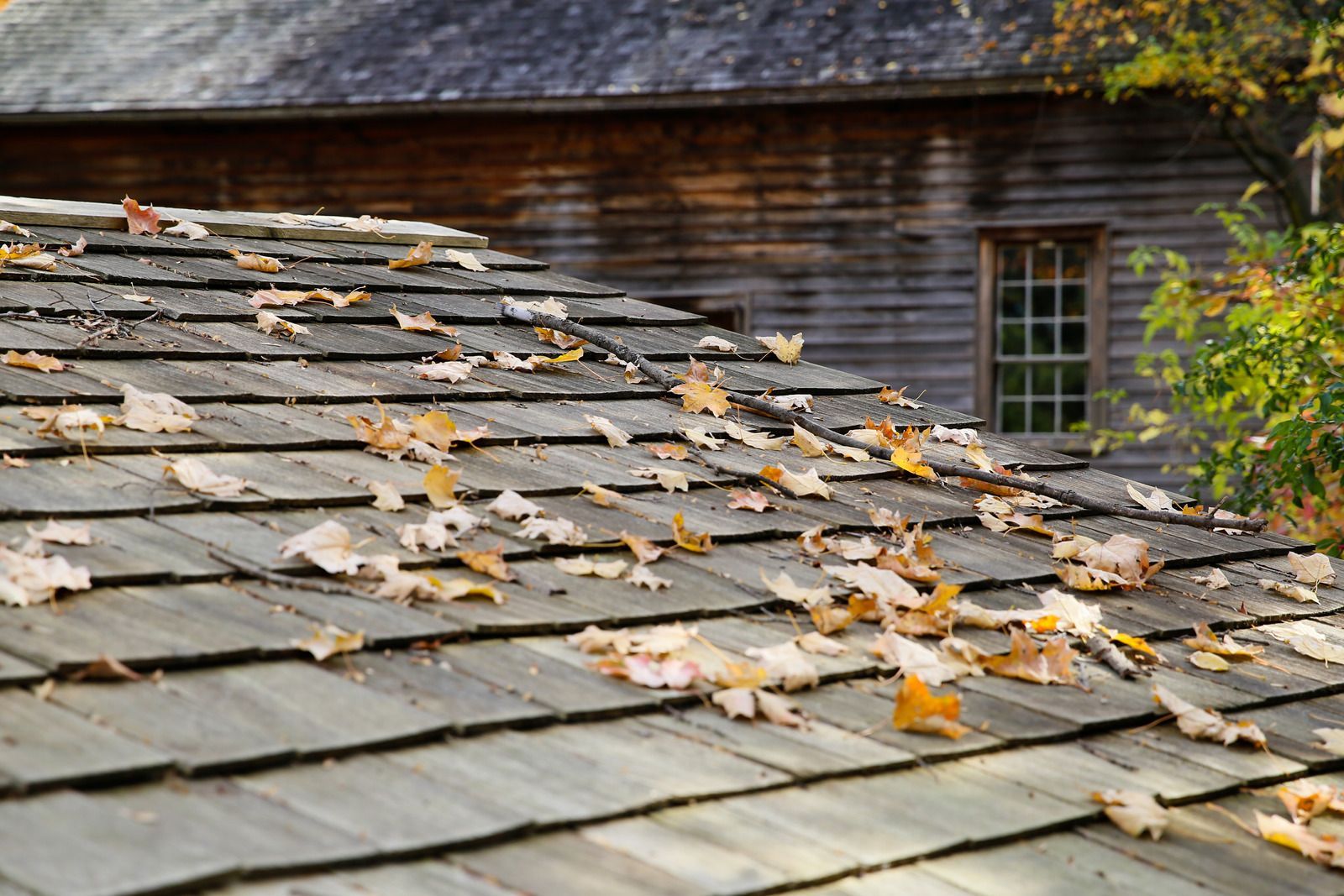
Norwich's Golden Triangle, the network of Victorian terraces between Unthank Road, Newmarket Road and the city centre, is known for its mature street trees as much as its housing. That canopy is lovely in October but it is also the single biggest source of autumn roof debris in the city. Leaves, twigs and seed pods collect in valleys, against chimney stacks, and along gutter runs, and left over winter they rot down into a fine compost that actively feeds moss growth on the tiles beneath.
Similar conditions apply in leafier suburbs such as Eaton and parts of Costessey, where mature gardens back onto rooflines. A once-over in late autumn, clearing gutters and sweeping loose debris from valleys, prevents that organic build-up from sitting on the roof all winter.
6. Winter: What to Leave Alone Until Spring
Winter is generally not the time for a full roof clean in Norwich. Cold, wet conditions mean surfaces rarely dry out properly, frost can make tiles brittle and more prone to damage from foot traffic, and short daylight hours limit the practical working window. That does not mean winter is a period of neglect, though. It is worth keeping an eye on gutters after storms, checking that downpipes are not frozen or blocked, and looking for any tiles that have shifted after a hard frost or high winds off the North Sea. Anything urgent, such as a slipped tile or a gutter pulling away from its brackets, is worth addressing as a one-off repair rather than waiting for the spring clean.
7. How Often Different Norwich Roof Types Actually Need Cleaning
Not every roof in Norwich ages at the same rate, and the right interval depends on a few practical factors.
- Shaded, north-facing slopes under trees or overshadowed by neighbouring buildings often need cleaning every 12 months, since they rarely get enough sun to dry out fully between showers.
- South and west-facing slopes in more open positions, common on newer estates around the outskirts of the city, can often go 18 to 24 months between cleans.
- Historic pantile and clay tile roofs in conservation areas benefit from more frequent, gentler cleaning cycles rather than one aggressive clean, since the tiles themselves are older and softer than modern concrete equivalents.
- Flat or low-pitch roofs , sometimes found on extensions and garages, need more regular gutter and outlet checks, as debris collects faster on a shallow slope.
- Roofs near the river valleys , closer to the Wensum or Yare, tend to sit at the damper end of the scale and often need attention slightly sooner than roofs on higher, drier ground.
8. Signs a Norwich Roof Needs Attention Sooner Than Planned
A calendar is a useful default, but it should always give way to what the roof is actually showing. Green or black staining spreading across tiles, moss visible from ground level along the ridge or eaves, gutters overflowing during ordinary rain rather than only in a downpour, and damp patches appearing on ceilings below the roofline are all signs that cleaning is overdue regardless of what the calendar says. For more on how staining develops and why it spreads unevenly across a roof, our article on black streaks on Norwich roofs covers the underlying causes in detail.
Homeowners in the older parts of the city, where flint and brick sit alongside pantile roofs dating back well over a century, should be particularly attentive. These roofs were built to a different standard than modern housing and generally reward gentle, regular care over infrequent, heavy-handed cleaning.
9. Building a Simple Year-Round Checklist
Pulling the above together, a workable calendar for most Norwich homes looks something like this: inspect in spring, book a full clean in late spring or early summer, clear gutters again in late summer before the leaves fall, do a final debris check in late autumn, and hold off on major work over winter unless something needs urgent attention. Repeating that pattern every year, or every other year for less exposed roofs, keeps moss from ever gaining a serious foothold, which is far easier than trying to remove years of built-up growth in one go. The dampness that makes this cycle necessary in the first place is explained in more depth in our piece on why Norwich roofs stay damp enough for moss.
Frequently Asked Questions
How often should a roof in Norwich actually be cleaned?
Most Norwich roofs do well with a full clean every 12 to 24 months, with the shorter end of that range applying to shaded or riverside properties and the longer end to open, well-drained roofs.
Is spring or summer the better time to clean a roof?
Late spring into early summer tends to work best, since drier, longer days allow the roof to dry fully after cleaning, which helps slow regrowth of moss and algae.
Do gutters need cleaning as often as the roof itself?
Generally more often. A twice-yearly gutter check, once in late summer before leaf fall and once after the worst of autumn has passed, catches blockages before they cause overflow.
What does roof cleaning in Norwich typically cost?
Costs vary with roof size, pitch, access, and how much moss or debris has built up, so it is best treated as a per-property estimate rather than a fixed figure. Getting a site visit and a written quote is the most reliable way to understand the likely cost for a specific roof.
Can moss be left on a roof if it is not causing obvious problems?
It is best not to. Moss holds moisture against tiles, which can accelerate wear over time and eventually work its way under overlapping tiles, so removing it while it is still light growth is far simpler than waiting.
Does a new-build home in Norwich still need a cleaning calendar?
Yes, though the interval can often be longer. Newer concrete or clay tiles are generally more resistant to moss initially, but the same damp valley climate that affects older roofs will eventually catch up with them too.
Ready to put your roof on a proper maintenance calendar?
Ben's Roof Cleaning has spent over 15 years keeping roofs, gutters and tiles clear across Norwich and Norfolk. Get in touch or call 0160 333 7383
for a free, no-obligation quote.
A Roof Cared for Year-Round Lasts Longer Than One Cleaned Only in a Crisis
Treating roof care as an occasional emergency response, rather than a scheduled part of home maintenance, is the single biggest reason Norwich roofs end up with heavy moss growth, blocked gutters, and avoidable damp problems. A simple calendar built around the city's damp valley setting, its tree-lined streets, and the character of its older housing stock does most of the hard work automatically. Sticking to it, even loosely, keeps a Norwich roof performing the way it was built to for many years to come.