What Happens During a Roof Inspection Before Cleaning?
A roof clean does not begin with cleaning. It begins with looking, carefully and methodically, at the roof about to be worked on. That inspection is easy to overlook because nothing dramatic happens during it, yet it shapes everything that follows: the method, the access, the price, and whether any hidden problems are caught before they become expensive.
Knowing what an inspection covers helps you understand why it matters and what to expect. This guide walks through what happens during a roof inspection before cleaning and how each part of it protects your roof and sets up a better result.
Assessing the Tiles
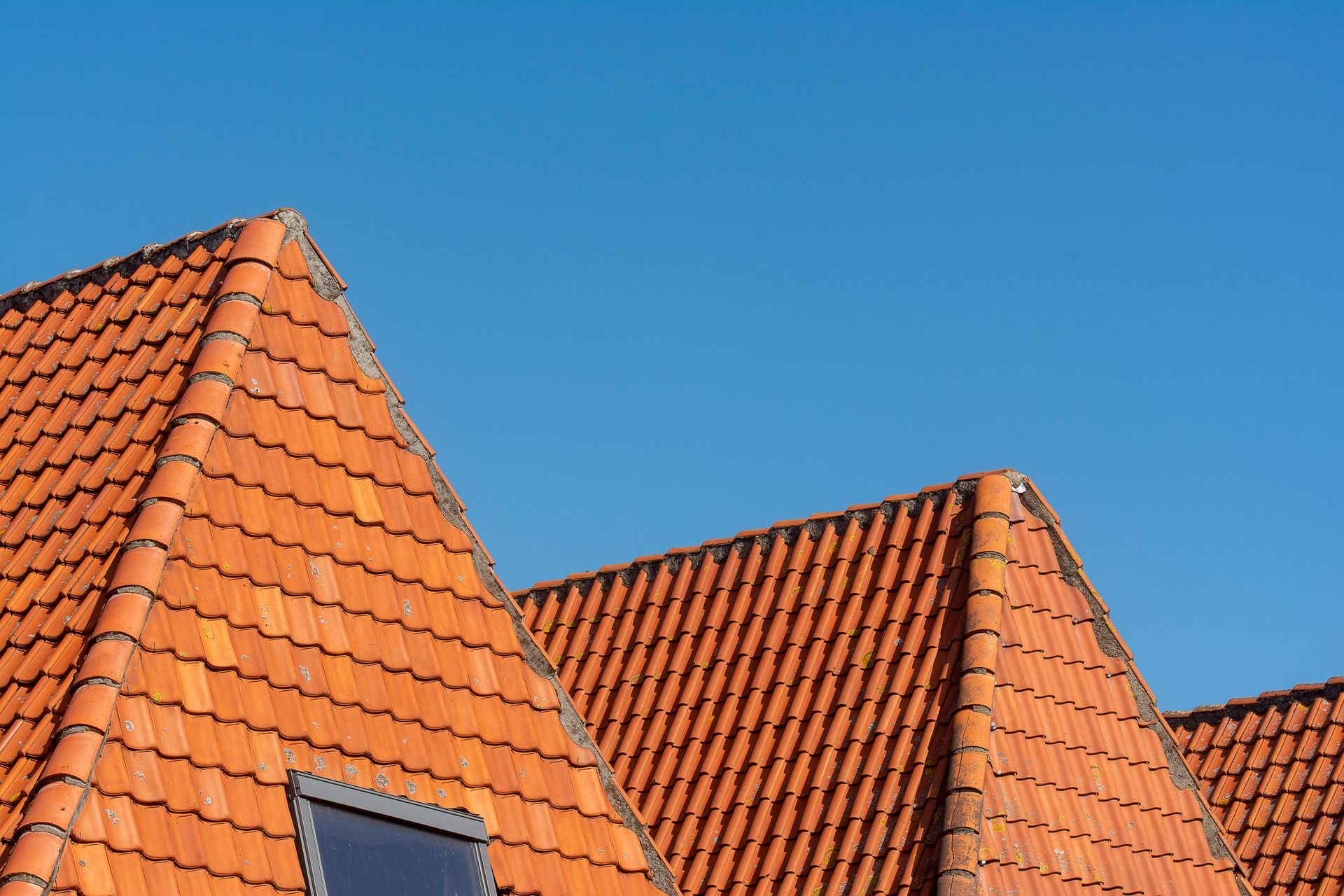
The first thing an inspection establishes is what kind of roof it is dealing with. Tile type, whether concrete, clay, slate, or something else, affects how the roof should be cleaned, because different materials have different surfaces and tolerances. Alongside the type, the inspection gauges the condition of the tiles: how weathered they are, whether the protective surface is intact, and how sound they feel.
This assessment matters because an older, more porous roof needs a different, more careful approach than a newer one, and a roof with fragile tiles needs particular care. Establishing the tile type and condition up front is what lets the cleaning method be matched to the roof rather than applied blindly. It also flags tiles that may be too far gone to clean and instead need replacing.
Assessing the Growth
Next, the inspection looks at what is actually growing on the roof and how much of it there is. Moss, algae, and lichen behave differently and are cleared with slightly different emphasis, so identifying the mix matters. Heavy, established growth packed into the joints is a bigger job than a light film, and lichen in particular, being stubborn, tells the cleaner that biocide aftercare will be especially important.
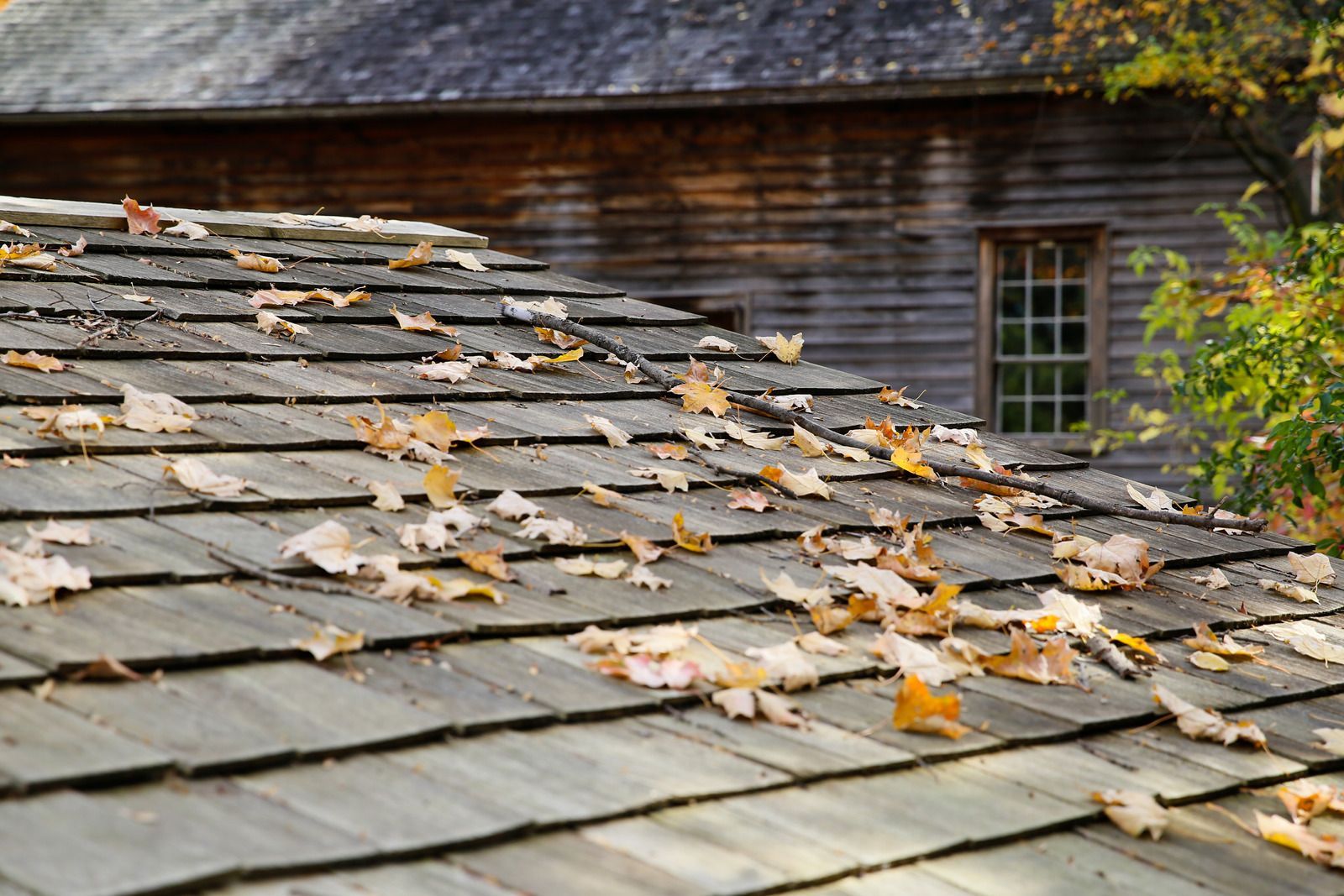
The pattern of growth also reveals a lot, heavier moss on shaded north slopes, streaking following water flow, debris along the roofline. Reading this helps target the clean and explains why some slopes need more attention than others. It also informs how long the job will take and what it should cost.
Tip: Use the inspection as your chance to ask questions. A good inspector will explain what they have found, point out any problem tiles, and describe how they plan to clean the roof. Treat it as a two-way conversation, it is the moment to understand your roof's condition and what the clean will and will not achieve.
Checking for Damage and Drainage
An inspection is not only about the growth; it is also a health check for the roof. The inspector looks for cracked, slipped, or missing tiles, signs that water may have been getting in, and the condition of the mortar bedding on ridges and hips. Finding these before cleaning matters, because damaged tiles need repair and because cleaning around them has to be done carefully.
The gutters and roofline are part of this check. Blocked or overflowing gutters, staining on the fascia and soffit, and moss debris in the guttering all tell a story about how water is moving off the roof. Since blocked gutters contribute to damp and to moss regrowth, the inspection often identifies
Gutter Cleaning as part of the work needed. Catching drainage problems here protects the walls and the roof structure.
Determining Access and Method
Finally, the inspection works out how the roof will be reached and cleaned safely. It assesses where mobile scaffold towers can be positioned, what can be done from ground level, and any access challenges posed by extensions, conservatories, or restricted spaces. This is what allows a no-contact clean to be planned, keeping people off the tiles.
With the tile type, condition, growth, damage, and access all assessed, the inspector can confirm the safest method and, usually alongside a patch test, be confident it suits the roof before any cleaning starts. This preparation is why a professional
Roof Cleaning proceeds smoothly and predictably. In our 15 years on Sussex roofs, the inspection is where a job is really planned, and where hidden problems are most often caught early.
A roof inspection before cleaning assesses the tile type and condition, the amount and kind of growth present, the state of the gutters and roofline, and any damage such as cracked or slipped tiles. It confirms the safest cleaning method and access, informs the quote, and catches hidden problems before work begins. The inspection turns roof cleaning from guesswork into a planned job matched to your specific roof.
Frequently Asked Questions
How long does a roof inspection take?
It varies with the size and complexity of the roof, but an inspection before cleaning is usually a reasonably quick assessment rather than a lengthy survey. Its purpose is to gather the key information, tile type and condition, growth, damage, drainage, and access, needed to plan the clean and quote accurately. A larger or more complex roof naturally takes a little longer to assess than a small, simple one.
Do I need to be home for the inspection?
It can be helpful to be available so the inspector can discuss what they find and you can ask questions, but much of the assessment is carried out from outside and at ground level. When you book, it is worth confirming whether you need to be present and whether any internal access, such as to the loft, would be useful for checking signs of water ingress.
Will the inspection find problems that stop the clean going ahead?
Sometimes an inspection reveals damaged tiles or other issues that need attention alongside or before cleaning, but this is a benefit, not a setback. Knowing about a cracked tile or a drainage problem lets it be dealt with properly rather than cleaned around and left. In most cases the clean proceeds, with any repairs discussed as part of the plan.
Is the inspection free?
Many roof cleaning services include a free inspection as part of providing a quote, since seeing the roof is the only way to price the job accurately. It is worth confirming when you book. A free inspection also gives you an assessment of your roof's condition at no cost, which is useful information whether or not you proceed immediately.
Can an inspection tell if moss has caused hidden damage?
An inspection is one of the best ways to spot the signs, cracked or lifted tiles on mossy slopes, overflowing gutters full of debris, and staining that suggests water ingress. Where loft access is possible, checking inside for damp or daylight adds to the picture. Much of this is hard to assess safely from the ground yourself, which is why a professional inspection is valuable for catching hidden moss damage early.
Get your roof properly assessed — Book a free inspection that checks tiles, growth, damage, and drainage before any cleaning. Ben's Roof Cleaning plans every clean around what the inspection finds. Call 0160 333 7383.
The Look Before the Clean
A roof inspection before cleaning is where the whole job is planned. By assessing the tile type and condition, the growth present, any damage, the state of the gutters, and how the roof can be safely accessed, it turns cleaning from guesswork into a method matched to your specific roof. Just as importantly, it catches hidden problems, cracked tiles, drainage faults, early signs of water ingress, while they are still small. The inspection itself is undramatic, but it is the foundation of a clean that is safe, predictable, and right for your roof.